Documentation
Road restraint systems – Road restraint systems are construction products according to Construction Products Regulation CPR 305/2011 and therefore must be CE certified. The EU regulation is designed to simplify and clarify the framework for manufacturers or marketer under her/his name for placing construction products on the market. The main objective of the CPR is the removal of technical barriers to trade in order to guarantee the free movement of construction products within the EU and common markets due to differing product and test standards, approval processes and conformity documents in the various member states. Key element to this, are the Harmonized Product Standard and the European Assessment Documents. EU Member States shall not introduce national laws which inhibit the free movement of construction products and shall not specify other methods than those mentioned in the harmonized standards to determine the performances for essential characteristics. Harmonized standards are established by the European standardization bodies CEN with the involvement of stakeholders.
European Norm EN1317
EN 1317 defines common testing and certification procedures for Road Restraint Systems. The EN1317 exists of different parts for different Road Restraint Systems, such as barriers, crash cushions, end terminals and transitions. In order to receive CE marking, Road Restraint Systems must meet the requirements of EN1317, which specifies different crash tests and parameters. The results of the crash tests determine the performance of the Road Restraint Systems.
EN 1317-1: Terminology and general criteria for test methods
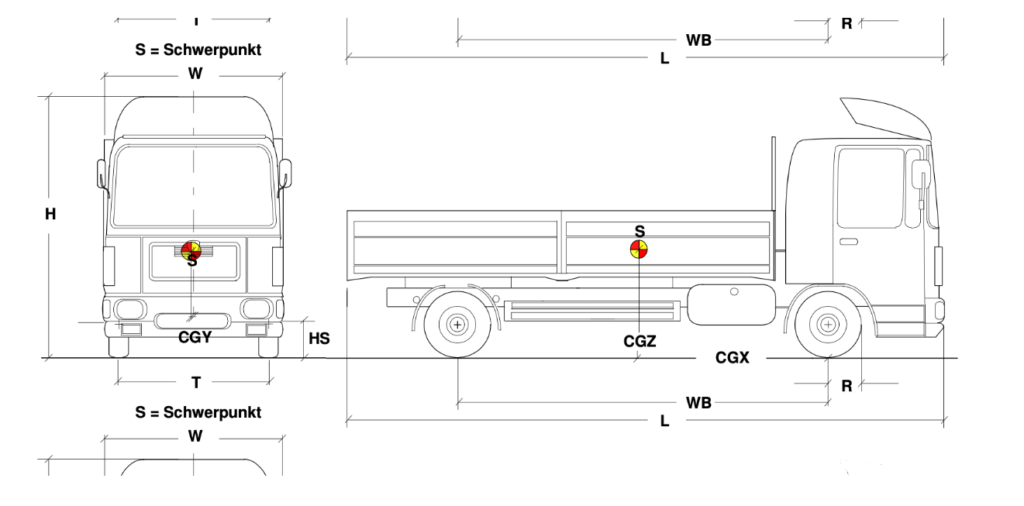
Contains provisions for the measurement of performance of products for the road restraint systems, under impact and impact severity levels, and includes test side data, definitions of road restraint systems, vehicle specifications (including loading requirements)for vehicles used in the crash test, instrumentation measuring the vehicles behaviour, calculation procedures and methods of recording crash impact data including severity levels.
EN 1317-2: Performance classes, impact test acceptance criteria and test methods for safety barriers including vehicle parapets
Specifies requirements on impact performance of roadside safety barriers, including vehicle parapets, classes of containment, working width, vehicle intrusion and impact severity levels.
EN 1317-3: Performance classes, impact test acceptance criteria and test methods for crash cushions
This European Standard specifies requirements for the performance of crash cushions during vehicle impacts. It specifies performance classes and acceptance criteria for impact tests, which should be read in conjunction with EN 1317-1 and EN 1317-5.
ENV 1317-4: Performance classes, impact test acceptance criteria and test methods for terminals and transitions of safety barriers.
This European Pre-standard specifies requirements for the performance of terminals and transitions. It defines performance classes and acceptance criteria for impact tests.
EN 1317-5: Product requirements and evaluation of conformity for vehicle restraint systems
This European Standard specifies requirements for evaluation of conformity of the following vehicle restraint systems:
Roadside safety barriers
Crash Cushions
End Terminals
Transitions
Pedestrian parapets
Pedestrian parapet requirements are not covered in this document. Requirements for the evaluation of durability with respect to weathering are included in this document. Requirements for other forms of durability (e.g. marine environment, sand abrasion) are not included. Temporary barriers are not within the scope of this document.
TR 1317-6: Pedestrian restraint system – Pedestrian parapets
This Technical Report specifies geometrical and technical requirements for the design and manufacture for pedestrian parapets on road bridges, footbridges, on top of retaining walls and on similarly elevated structures. This Technical Report also specifies test methods and provision for the labelling and marking of these products. This Technical Report does not cover:
Vehicle Restraint Systems
Pedestrian restraint systems
Non-rigid rails (e.g. rope, cables)
This Technical Report may be used for pedestrian parapets on structures which cross over railways, rivers and canals
EN 1317-7: Performance classes, impact test acceptance criteria and test methods for terminals of safety barriers
This part of EN 1317 specifies requirements on the impact performance of terminals, performance classes, lateral displacement, vehicle redirection classes, terminal direction classes and impact severity levels. The performance of a terminal is generally dependent on the connected barrier.
TS 1317-8: Motorcycle road restraint systems which reduce the impact severity of motorcyclist collisions with safety barriers
This Technical Specification specifies requirements for the impact performance of systems designed for the reduction of impact severity for Powered-Two-Wheelers (PTW) riders impacting safety barriers whilst sliding along the ground, having fallen from their PTW vehicle. The protection systems concerned are those fitted to barriers or barriers that have an inherent PTW rider protection or risk reduction capability. The assessment of performance of impacting vehicles is covered by EN 1317 1 and EN 1317 2. This Technical Specification defines performance classes taking into account rider speed classes, impact severity and the working width of the system with respect to rider impacts.
Containment levels, types and parameters of collisions with barrier
The containment levels of roadside safety barriers including parapets have to be conform to the following requirements.

Crash test results
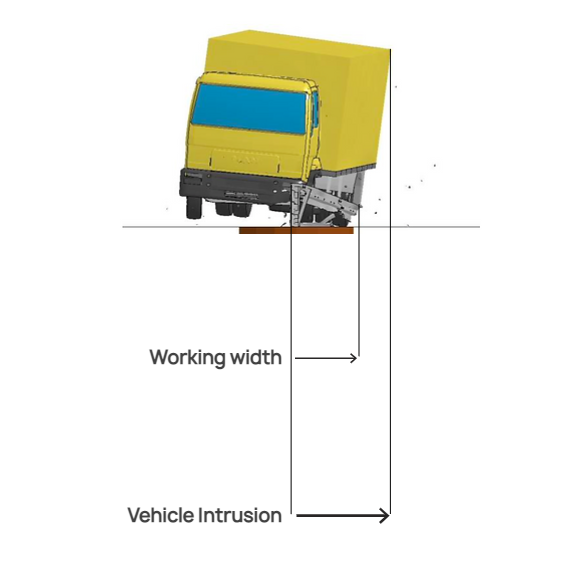
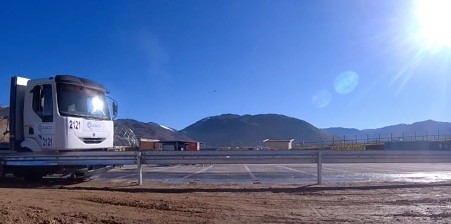
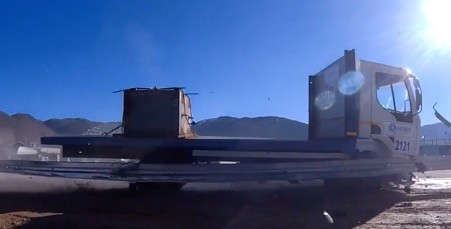
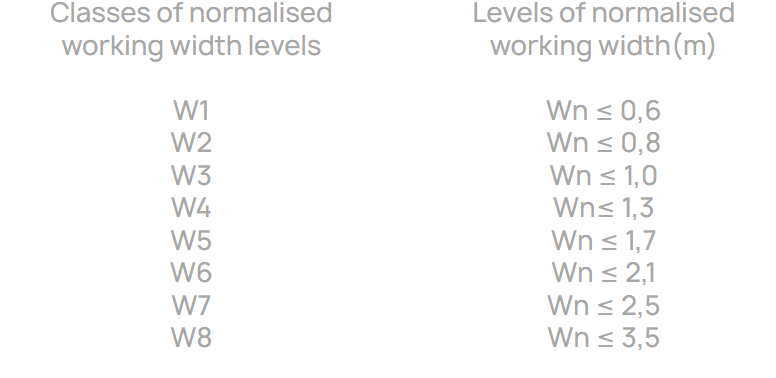
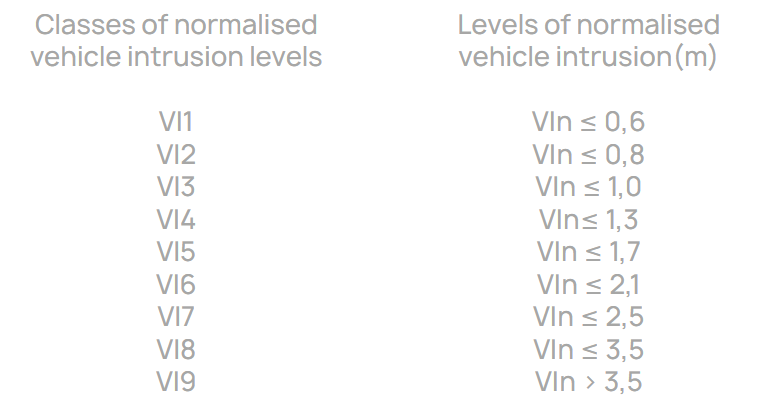
The results of crash tests are mainly the Impact Severity Index (ASI) and Theoretical Head Impact Velocity (THIV) measured with the small car test (TB11) and the working width (Wm), which is maximum lateral distance between any part of the barrier on the undeformed traffic side and the maximum dynamic position of any part of the barrier. The heavy goods vehicle tests also measure vehicle intrusion (VIm).
Impact Severity Index (ASI)
Impact severity level A affords a greater level of safety for the occupant of an errant car than level B, and level B greater than level C.

Levels of normalised working width (Wn)
Levels of normalised vehicle intrusion
The vehicle intrusion (VIm) of the Heavy Goods Vehicle (HGV) is its maximum dynamic lateral position from the undeformed traffic side of the barrier. The VIm of a bus is its maximum dynamic lateral position
CEN exit box
The test vehicle shall leave the safety barrier after impact so that the wheel track does not cross a line parallel to the initial traffic face of the system, at a distance A plus the width of the vehicle plus 16 % of the length of the vehicle within a distance B from the last (namely closest to the end the barrier) point P, where the last of the vehicle wheel tracks re-crosses the original line of the traffic face of the barrier after initial impact.
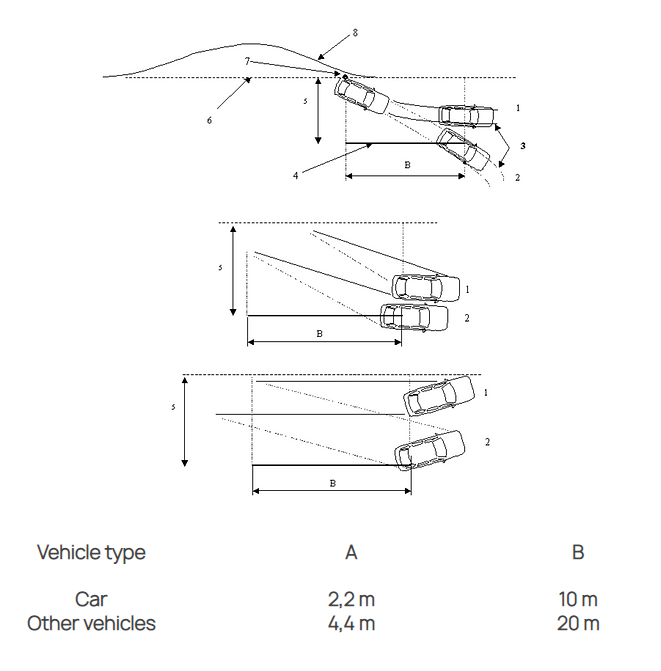
1 = Pass
2 = Fail
3 = Wheel tracks
4 = Extent of exit box
5 = A + width of vehicle + 16% of length of vehicle
6 = Initial traffic face of the roadside safety barrier
7 = Point P
8 = Deflected form of roadside safety barrier
It’s easy
It’s not as difficult as it looks.